

The Difference Between Ceramic Frit Glass And Painted Glass
Release time:
2026-06-17
In modern architectural and interior design, decorative glass plays an increasingly important role. Among the many options available, ceramic frit glass and painted glass (also known as back-painted glass) are two commonly used materials. While they may appear similar at first glance-both offering rich colors and decorative patterns-their manufacturing processes, performance, and applications differ significantly. Understanding these differences can help architects, designers, and project owners choose the right glass solution for their specific needs.
What Is Ceramic Frit Glass?
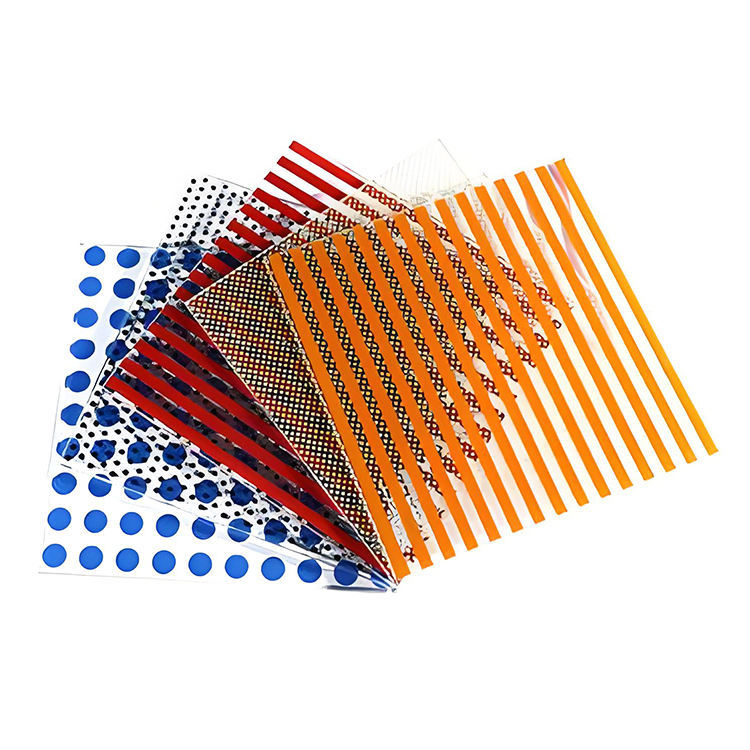
Ceramic frit glass is produced by applying one or more layers of inorganic ceramic frit (enamel) onto the surface of glass using screen-printing or digital printing techniques. The glass is then heated, often during tempering or heat-strengthening, causing the frit to fuse permanently with the glass surface. This process creates a highly durable decorative glass with excellent performance characteristics.
Key features of ceramic frit glass include:
1.Strong decorative flexibility
A wide variety of colors, patterns, gradients, and designs can be customized to meet architectural and design requirements. The colors remain stable and do not fade over time.
2.High safety performance
Ceramic frit glass can be tempered, laminated, or insulated, making it suitable for safety-critical applications.
3.Energy-saving and solar control properties
The frit layer can absorb or reflect part of the solar radiation, helping reduce heat gain and improve building energy efficiency.
4.Outstanding durability
The ceramic coating is highly resistant to scratching, weathering, UV exposure, and chemical corrosion.
Typical applications include building façades, curtain walls, spandrel panels, skylights, balustrades, partitions, furniture glass, and electronic glass.
What Is Painted (Back-Painted) Glass?
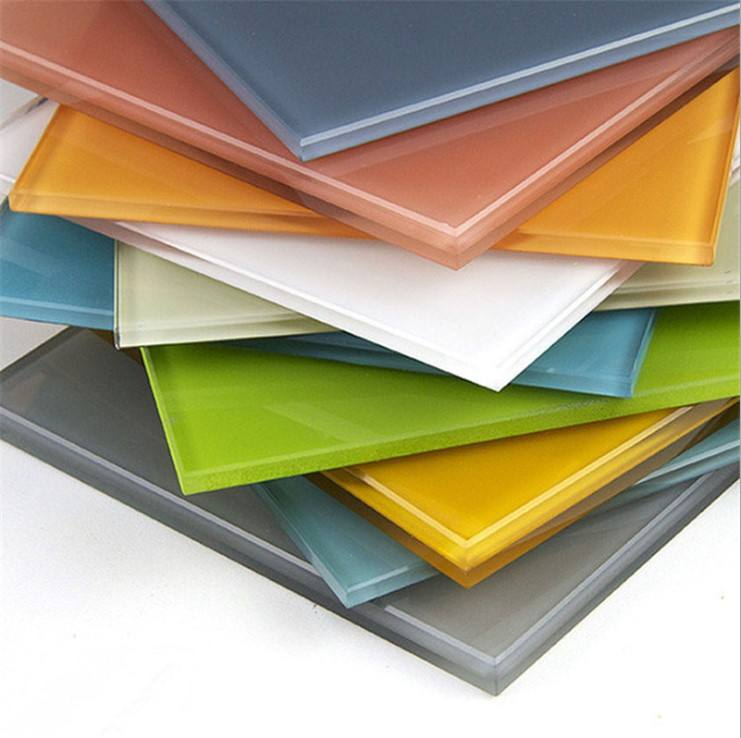
Painted glass is made by applying organic paint or lacquer onto the surface-usually the back side-of glass. The paint adheres to the glass through a physical bonding process and is then dried or baked at relatively low temperatures. Painted glass is widely used for interior decoration due to its smooth appearance and cost efficiency.
Key features of painted glass include:
Smooth and uniform appearance
Painted glass offers a clean, glossy surface with consistent color, making it suitable for modern interior designs.
1.Wide range of color options
Available in various standard and custom colors to match different decorative styles.
2.Cost-effective solution
Compared with ceramic frit glass, painted glass is generally more economical for decorative applications.
3.Primarily for interior use
The paint layer is applied to the surface of the glass and is best suited for indoor environments with stable conditions.
4.Limited durability
The coating relies on physical adhesion and may be sensitive to moisture, heat, UV exposure, and abrasion over time.
5.Easy to process and install
Painted glass can be cut, edge-polished, and installed with relative ease for interior projects.
Key Differences Between Ceramic Frit Glass and Painted Glass
Although both products serve decorative purposes, their core differences lie in material structure and long-term performance:
1.Material integration
Ceramic frit glass becomes an integral part of the glass after high-temperature firing, while painted glass relies on surface adhesion.
2.Durability and lifespan
Ceramic frit glass offers a service life comparable to the glass itself. Painted glass may deteriorate, peel, or discolor over time, especially in harsh conditions.
3.Application environment
Ceramic frit glass is suitable for both exterior and interior use, including demanding architectural applications. Painted glass is primarily recommended for interior spaces.
4.Performance stability
Ceramic frit glass maintains color, pattern, and performance under UV exposure, temperature changes, and humidity, whereas painted glass has more limitations.
Latest News
The Role of Double Glazed Glass in Sustainable Building Practices
The Role of Double Glazed Glass in Sustainable Building Practices Table of Contents 1. Introduction to Double Glazed Glass 2. Understanding Sustainable Building Practices 3. Energy Efficiency and Insulation Properties of Double Glazed Glass 4. Environmental Impact: Reducing Carbon Footprint 5. Acoustic Benefits of Double Glazed Glass 6. The Economic Advantages of Double Glazed Glass 7. Application
2026-09-16

CONTACT US
Email : sales@fullwinglass.com
Add : Building A-612 Mingliu Square, Changqing District Jinan City, China

Copyright 2025 : Shandong Fullwin Glass Co.,Ltd. Powered by:CEglobal SEO BUSINESS LICENSE