
Introduction to Insulated Glass with Blinds and Their Performance Benefits
Release time:
2026-04-27
Insulated glass with built-in blinds is an innovative product that integrates blinds into the glass unit. It utilizes various control systems, such as magnetic or electric drives, to raise and lower the blinds within the unit and adjust their angle by 180 degrees, thereby providing both natural lighting and complete sun protection. This type of insulated glass uses tempered glass, offering enhanced safety.
This product is widely applicable to exterior windows, building doors, office partitions, curtain walls, and air conditioning windows. It can be installed in any room or door with a window, making it a versatile solution and the top choice for sunshading and thermal insulation in building envelopes. Performance Advantages: 1. Manual magnetic-controlled blinds are installed between two layers of tempered glass, with the blinds and their drive mechanism integrated into the unit. By using a magnetic control handle to raise or lower the blinds, the light transmission of windows and doors can be adjusted. Magnetic-controlled insulated glass blinds combine the benefits of insulated glass and energy-saving sunshade blinds into a single unit. Key performance advantages include:

A. Sunshade Performance: By operating the louver tilt control switch, the angle of the louvers can be freely adjusted to achieve natural lighting and effective sunshade protection. With a minimum light transmittance coefficient of 0.12, it creates a comfortable and serene indoor environment. The louvers in magnetically controlled insulated glass units are hermetically sealed, and angle adjustment and retraction are achieved by flipping and pulling external handles.
B. Thermal Insulation Magnetically controlled insulated glass units utilize double-pane insulated glass, offering excellent thermal insulation with a thermal transmittance coefficient (K-value) of just 1.8 W/m²·K.
C. Sound Insulation Thanks to the unique construction of insulated glass, the sound insulation performance reaches 38 dB when the blinds are closed, 36 dB when they are in the vertical position, and 34 dB when they are stacked. With its excellent sound insulation properties, this product is suitable for office partitions, as well as doors, windows, and curtain walls in buildings located near roads.
D. Energy Efficiency It reduces energy loss through the glass by two-thirds. According to relevant data, 50% of a building’s energy consumption is lost through doors and windows, and 75% of that loss occurs through the glass. Specific performance comparisons: The U-value of single-pane glass is 6.0 W/m²·K, whereas the U-value of magnetically controlled louvered insulated glass, when the louvers are adjusted to the appropriate angle, is only 1.8 W/m²·K.
E. Hygiene: Neat and clean, no curtains required—only the glass needs maintenance. Easy to clean and disinfect, it prevents dust mites and resists cooking fumes. Neither the louvers nor the glass in magnetically controlled louvered insulated glass produce any pollution during production or use. Furthermore, because the louvers are installed within hermetically sealed insulated glass, the permanent seal ensures the louvers remain permanently clean and free from contamination, eliminating the need for complex cleaning procedures.
F. Safety Traditional curtains are flammable. In the event of a fire, curtains made of materials such as fabric and synthetic fibers release large amounts of toxic smoke when burning, causing occupants to suffocate. Magnetically controlled blinds in insulated glass not only resist open flames but also do not release dense smoke during a fire. The aluminum slats embedded within the double-pane tempered glass also act as a barrier against flame spread, effectively slowing the progression of a fire, making them an excellent fire-resistant product. The double-pane tempered glass offers strong wind and impact resistance, reducing the risk of break-ins through broken windows on lower floors.
G. Cost-Effectiveness Reduces air conditioning energy consumption and saves a significant amount of electricity. UV protection: UV transmittance of 0.00/0.02 protects indoor furnishings. The blinds are built into the glass, eliminating the need for cleaning and maintenance, and saving on the costs of purchasing and maintaining curtains.
II. Features of Electric Built-in Blinds

A. Hygiene: Blinds installed within insulated glass require absolutely no cleaning and remain hygienic at all times.
B. Convenience: All operations are controlled via a remote control (wall-mounted or smart control), making them easy and effortless to use.
C. Sound Insulation: The air layer is twice as thick as that of standard double-pane glass (12 mm), providing superior thermal and sound insulation performance.
D. Aesthetics: No curtain boxes are required inside the building, creating a fresh interior design aesthetic that delivers an unprecedented sense of satisfaction.
E. Variety: Blind slats are available in a wide range of colors and styles.
F. Durability: The built-in blinds are made of wear-resistant special metal and are designed to last a lifetime. Since the blinds are installed within the cavity of the insulated glass unit, the risk of damage or breakage is extremely low.
III. Available types of insulated glass include: standard clear glass, tinted glass, coated glass, LOW-E glass, laminated glass, and tempered glass.
Latest News
How to Choose the Right Curved Tempered Glass for Your Project
How to Choose the Right Curved Tempered Glass for Your Project Understanding Curved Tempered Glass Curved tempered glass is a specialized building material that has been heat-treated to enhance its strength and durability. This type of glass is often used in architectural applications, including facades, skylights, and interior design elements. Its distinctive ability to be shaped into various cur
2026-09-09
Ultra Clear Glass: The Secret Ingredient for Luxurious Interiors
Ultra Clear Glass: The Secret Ingredient for Luxurious Interiors Table of Contents Introduction to Ultra Clear Glass in Luxury Interiors What is Ultra Clear Glass? Benefits of Using Ultra Clear Glass Visual Clarity and Transparency Aesthetic Appeal Durability and Maintenance Applications of Ultra Clear Glass in Interiors
2026-09-02

CONTACT US
Email : sales@fullwinglass.com
Add : Building A-612 Mingliu Square, Changqing District Jinan City, China

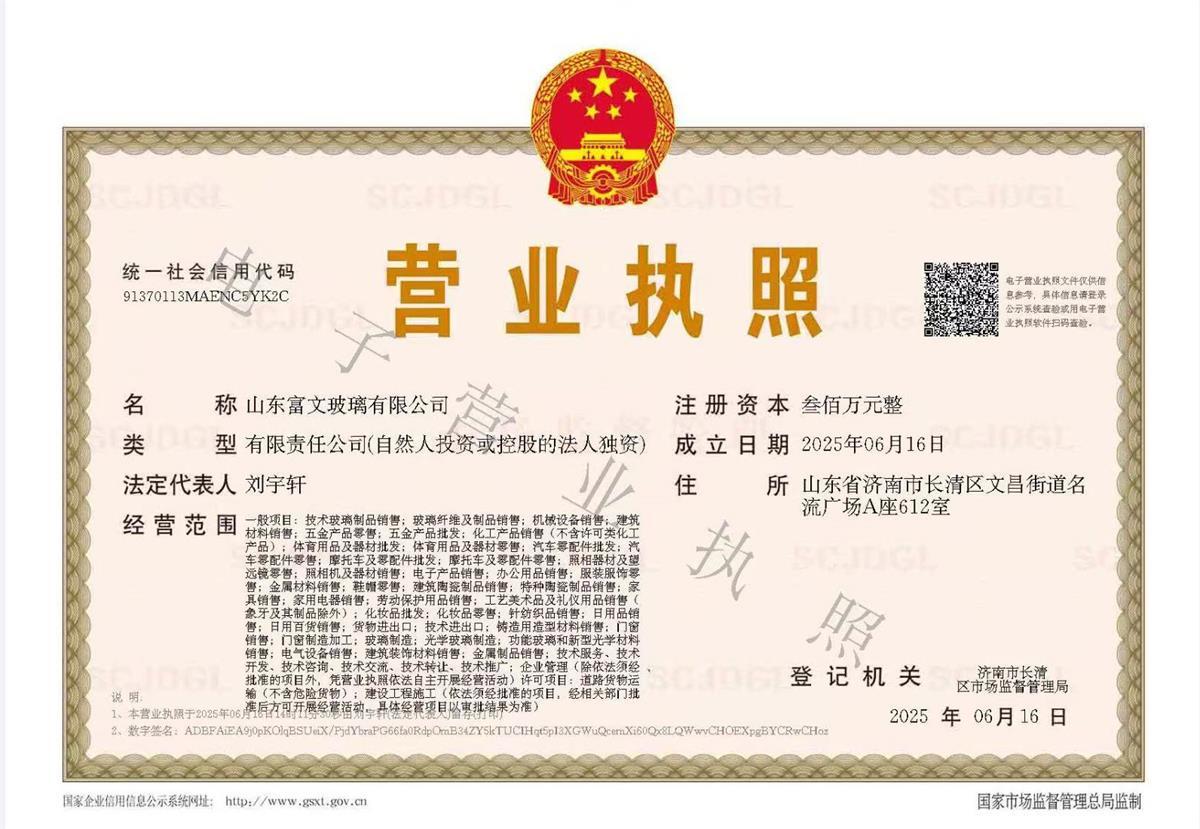
Copyright 2025 : Shandong Fullwin Glass Co.,Ltd. Powered by:CEglobal SEO BUSINESS LICENSE