
Characteristics and Applications of High Borosilicate Fire-Resistant Glass
Release time:
2026-03-02
High borosilicate fire-resistant glass is a high-performance fireproof material primarily composed of silica, boron trioxide, and sodium oxide. As the preferred material for single-pane fire-resistant glass, it can also be processed through techniques such as coating and glazing to create building energy-saving fireproof materials with enhanced overall performance. The raw sheet specifications can reach up to 4500mm × 2440mm, with thicknesses ranging from 4mm to 15mm. Intermediate dimensions can be customized according to customer requirements.

I. Performance Characteristics of High Borosilicate Fire-Resistant Glass
(1) Superior Fire Resistance: Features an exceptionally high softening point, providing robust fire protection with a fire resistance rating exceeding 120 minutes. Its outstanding transparency ensures unobstructed visibility during fires, facilitating escape and rescue operations. (2) High Strength and Ultra-Lightweight: Over 8% lighter than standard glass with high mechanical strength. This combination of lightness and strength significantly reduces building self-weight. (3) Exceptional Chemical Stability: Resistant to acids, alkalis, and UV radiation, with excellent fire resistance. (4) Superior Optical Properties: High light transmittance exceeding 90% for visible light, delivering distortion-free visual clarity while maintaining architectural transparency and aesthetics. (5) Eliminates Spontaneous Breakage Risk: Nickel-free composition prevents spontaneous breakage—a major safety hazard in modern construction. High borosilicate fire-resistant glass contains no nickel, eliminating nickel crystallization in finished products and thus eliminating breakage risks. (6) Excellent Processability: Pre-tempering processing allows cutting, edge grinding, drilling, and coating. It can also be processed through laminated, insulated, or vacuum techniques. (7) Dual Safety Assurance: Fully tempered single-pane high borosilicate fire-resistant glass meets both fire resistance and safety performance requirements.

II. Applications of High Borosilicate Fire-Resistant Glass During a fire, glass failure may alter a building's ventilation conditions, thereby influencing the fire's progression. Analysis of glass damage primarily attributes to the following causes: external impact, uneven heating leading to shattering, and thermal melting/deformation. Among current fire-resistant glass products, standard single-pane fire-resistant glass typically shatters when exposed to water at temperatures between 400°C and 500°C. While composite fire-resistant glass may shatter, it does not penetrate. High borosilicate fire-resistant glass, however, can withstand temperatures up to 800°C without shattering when exposed to water.
The superior properties of high borosilicate fire-resistant glass make it suitable for fire-resistant windows, interior fire partitions, and fire doors. It can also be used in curtain walls or undergo processes such as coating, laminating, insulating, or applying decorative glazes. Furthermore, it can be utilized for microwave oven and induction cooktop panels. Historically, the Chinese market predominantly featured unstable, prone-to-explosion single-pane cesium-potassium fire-resistant glass. With reforms in national fire codes and fire safety regulations, coupled with rising living standards, demand for fire-resistant products safeguarding lives and property has steadily increased. Consequently, the market demand for high-performance nano-silica fire-resistant glass and high borosilicate fire-resistant glass continues to grow.
Latest News
Why Curved Tempered Glass Is Stronger and Safer
Image Source: statics.mylandingpages.co Curved tempered glass outperforms flat tempered glass of identical thickness and type. Tempering locks compressive stress into the surface, blocking crack formation. Curvature adds an arch effect, spreading impact loads across a wider area. This combination delivers superior safety and strength, plus r
2026-10-08
Ultra Clear Glass Made Easy for Your Project
Image Source: statics.mylandingpages.co Ultra clear glass contains very low iron content, so it stays crystal clear instead of showing a green tint. This higher transparency and true color rendering means whatever sits behind the glass looks exactly as it should. Conventional clear glass has more iron, which adds a slight green tint and dull
2026-10-01

CONTACT US
Email : sales@fullwinglass.com
Add : Building A-612 Mingliu Square, Changqing District Jinan City, China

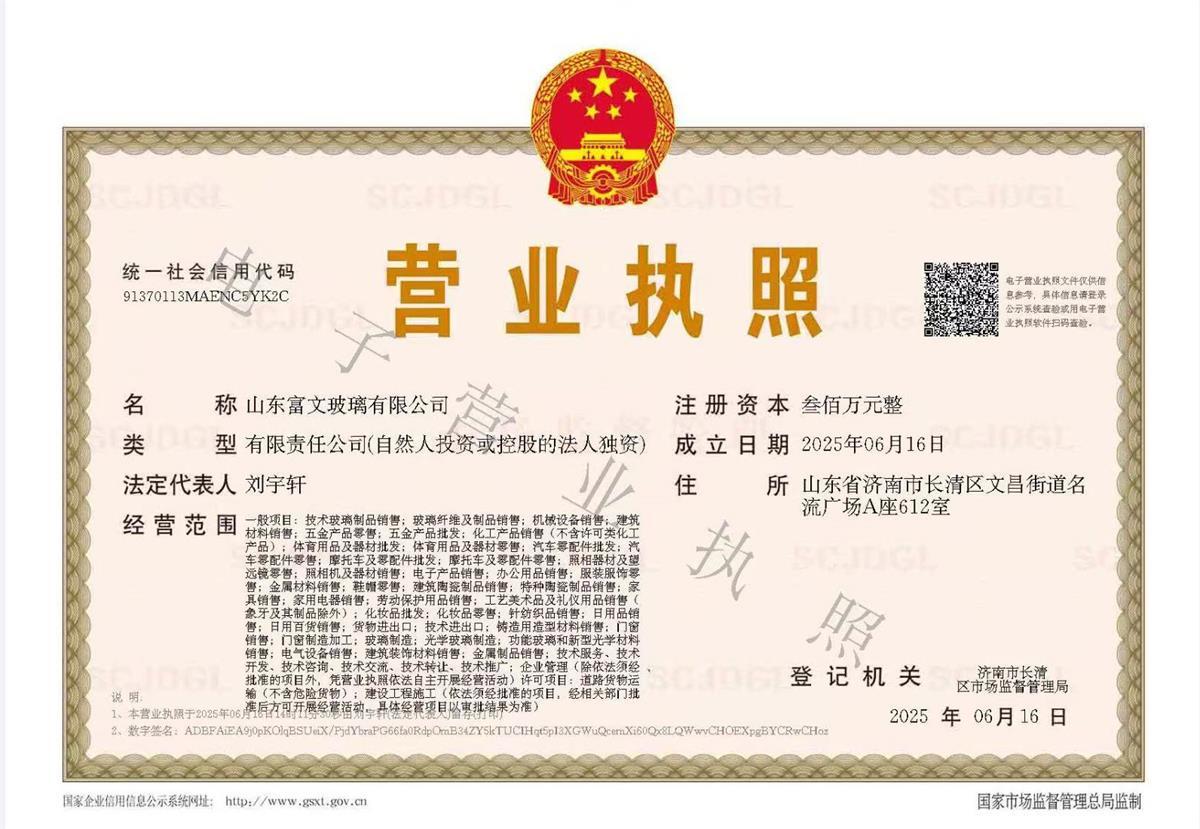
Copyright 2025 : Shandong Fullwin Glass Co.,Ltd. Powered by:CEglobal SEO BUSINESS LICENSE