
Printed Glass: A Modern Blend of Functionality and Aesthetics
Release time:
2026-01-07

Printed Glass, also known as Color Ceramic Fritting Glass, is a modern architectural and decorative solution that combines visual appeal with long-lasting performance. By utilizing advanced silk screen technology, this type of glass features ceramic-based inks fused into the glass surface during the tempering process, making the design both permanent and highly durable.
What is Printed Glass?
Printed Glass is a type of glass that has patterns, images, or colors applied to its surface using ceramic frits (finely ground glass particles mixed with pigments). These ceramic frits are applied through a silk screen printing process and then baked into the glass at high temperatures during tempering. This process ensures that the design is not only vivid but also resistant to UV radiation, scratching, and weathering.
Key Features
Durability: Thanks to the ceramic fritting process, the print is fused into the glass surface, making it extremely durable and fade-resistant.
Customization: Endless options for patterns, colors, and images, allowing for fully customized designs.
UV and Scratch Resistant: The printed surface is long-lasting, even in outdoor environments.
Safety: Typically produced using tempered or laminated glass for added strength and safety.
Energy Efficiency: Printed designs can help control solar heat gain and reduce glare, contributing to building energy efficiency.
Applications
Printed Glass is widely used in both exterior and interior applications, including:
Building facades and curtain walls
Interior partitions and wall cladding
Shower enclosures and glass doors
Balustrades and railings
Signage and branding elements
Decorative glass panels and art installations
Why Choose Color Ceramic Fritting Glass?
When performance and aesthetics are equally important, Color Ceramic Fritting Glass offers a perfect balance. It allows architects and designers to add color, texture, and visual impact to their projects without compromising on structural integrity or functionality. The silk screen method ensures precision and consistency across every panel, even in large-scale applications.
Latest News
Ultra Clear Glass Made Easy for Your Project
Image Source: statics.mylandingpages.co Ultra clear glass contains very low iron content, so it stays crystal clear instead of showing a green tint. This higher transparency and true color rendering means whatever sits behind the glass looks exactly as it should. Conventional clear glass has more iron, which adds a slight green tint and dull
2026-10-01
Top 10 Float Glass Applications in Modern Architecture 2026 - Mannlee
Image Source: statics.mylandingpages.co Architectural float glass serves a wide range of applications: glass curtain walls, energy-efficient windows, skylights, interior partitions, solar control float glass, smart glass, structural glass, glass balustrades, glass floors, decorative glass. It dominates contemporary architecture and evolves w
2026-09-24
Painted Glass vs. Traditional Glass: Understanding the Key Differences and Applications
Painted Glass vs. Traditional Glass: Understanding the Key Differences and Applications Table of Contents 1. Introduction to Glass Types 2. What is Traditional Glass? 3. What is Painted Glass? 4. Key Differences Between Painted Glass and Traditional Glass 5. Advantages of Painted Glass 6. Applications of Painted Glass and Traditional Glass 7. Maintenance and Care for B
2026-09-23

CONTACT US
Email : sales@fullwinglass.com
Add : Building A-612 Mingliu Square, Changqing District Jinan City, China

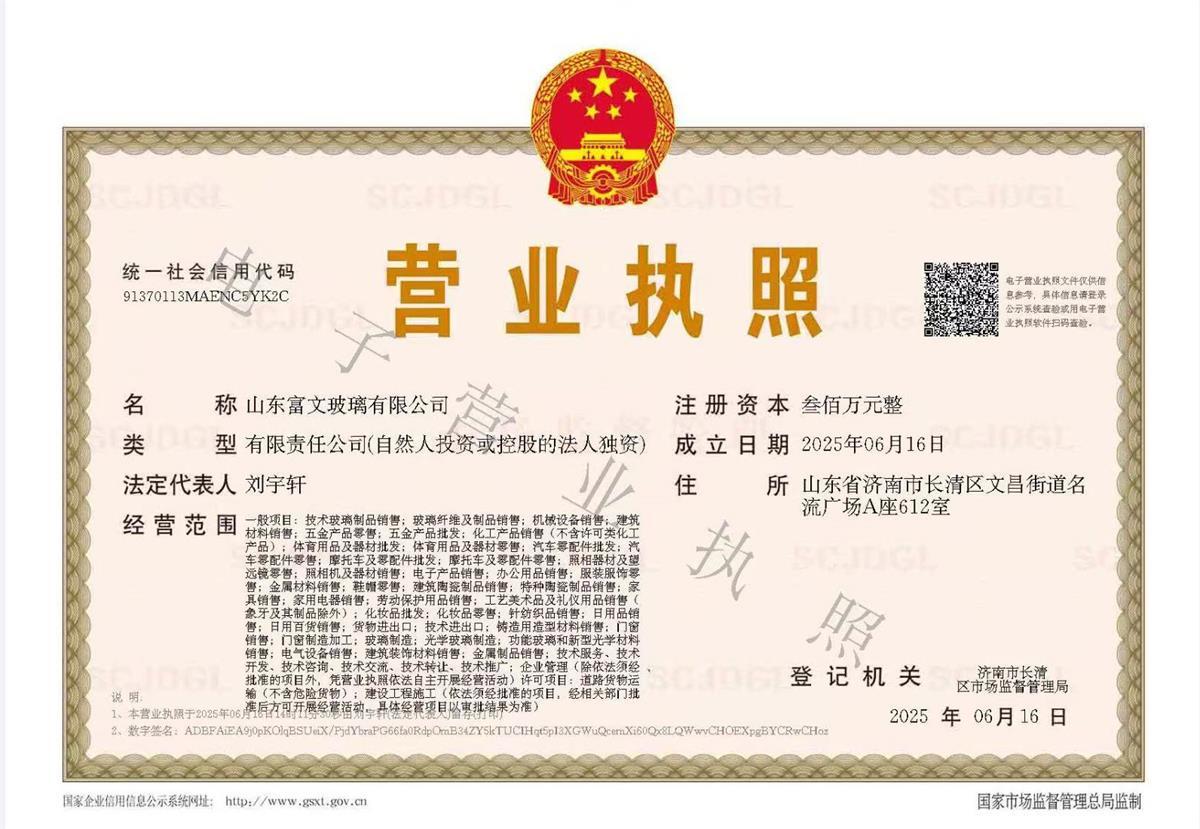
Copyright 2025 : Shandong Fullwin Glass Co.,Ltd. Powered by:CEglobal SEO BUSINESS LICENSE